Discover our resources and contact us. We are happy to advise and support you with your questions and projects.
Data Interfaces
Access to our data
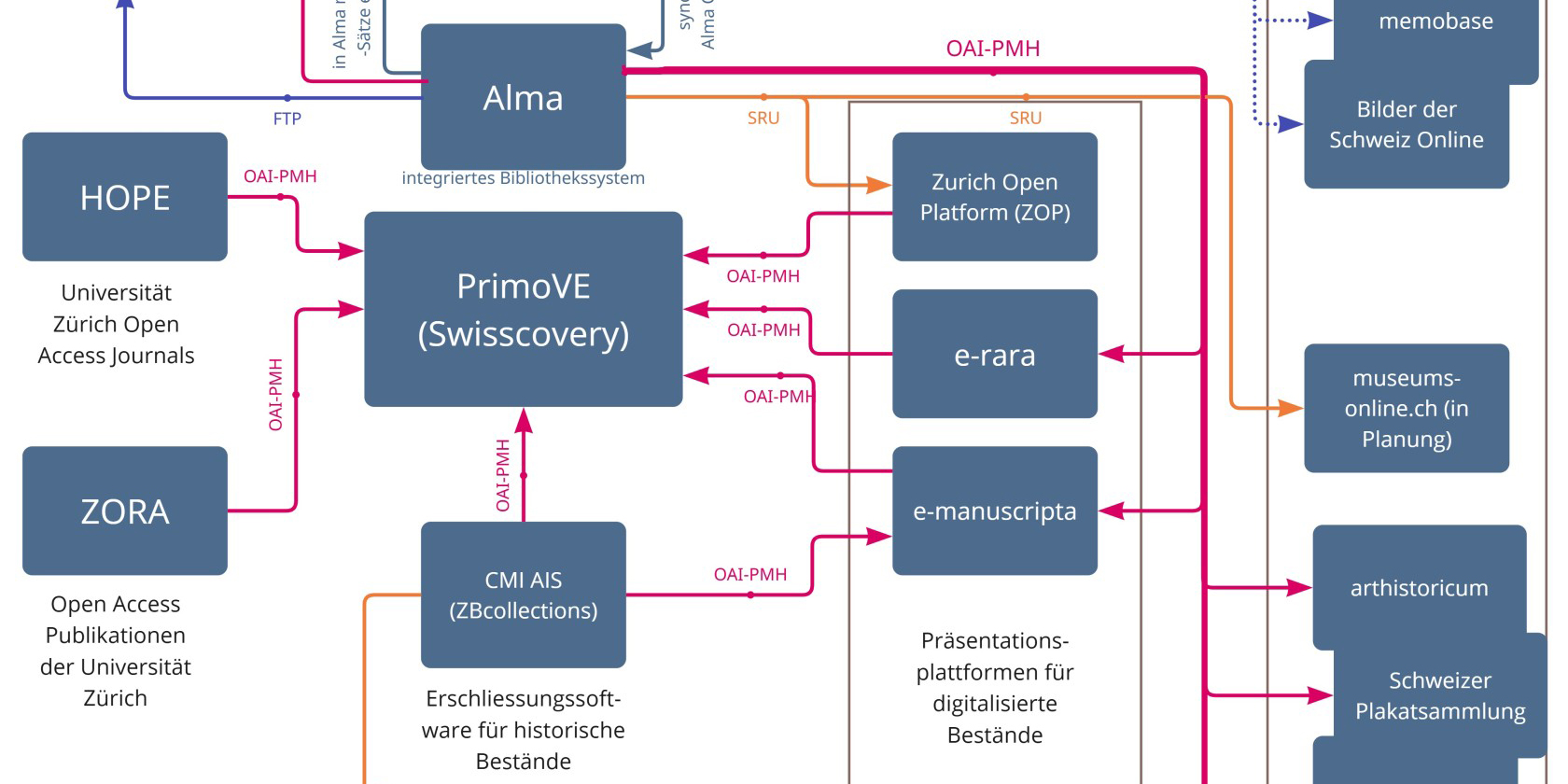
ZB Data Map
How do you access our data? The ZB Data Map provides you with a visual overview of the data flows within our systems. The wiki offers in-depth information on interfaces, technologies and available tools, giving you a solid foundation for accessing our data for your research. If you have any questions or concerns, we will be happy to help.
Data tools
swisscollections data export
On the swisscollections portal, you can easily export hit lists or selected hits as an overview list (CSV) or metadata package (ZIP). This allows research results to be processed directly and integrated into your own workflows. You can find more information on this here.
ZB’s IIIF viewer and detektIIIF plug-in
Do you work with digitised images, such as historical maps, manuscripts or books? Our tools help you to view and directly compare several works at the same time.
You can find more information on this here.
Metadata download with KoLibri (prototype)
KoLibri, the Jupyter notebooks of the Zentralbibliothek Zürich, allow you to search and analyse library data throughout Switzerland from the SLSP catalogue (over 25 million entries). Up to 10,000 search results can be downloaded in a structured table (e.g. title, author, publisher, place of publication, date of publication) for a selected search term.
Source code and data on GitLab
On our GitLab platform, we provide you with software applications and data collections.
Gain insights into the work of the ZB Lab and library science, discover our digital editions or use project data such as the Johannes Itten Linked Archive (JILA) for your own analyses and research questions.
Data documentation
Are you looking for a guide to documenting your research data in the humanities and social sciences in a structured manner?
Our template for FAIR-compliant data documentation helps you prepare your data in a sustainable way.
Please do not hesitate to contact us if you have any questions or would like an individual consultation.
Data records
We provide you with well-documented data records in open file formats for free download. These include selected collections which we have supplemented with additional metadata and analytical data, as well as data from citizen science projects and contributions to GLAM hacks. The data records are published on Zenodo and listed on opendata.swiss. Discover our services and use the data for your own research questions.
Do you need additional data or data specifically tailored to your research question? We would be happy to support you – both in terms of content and technology – in compiling your own data records from our holdings.
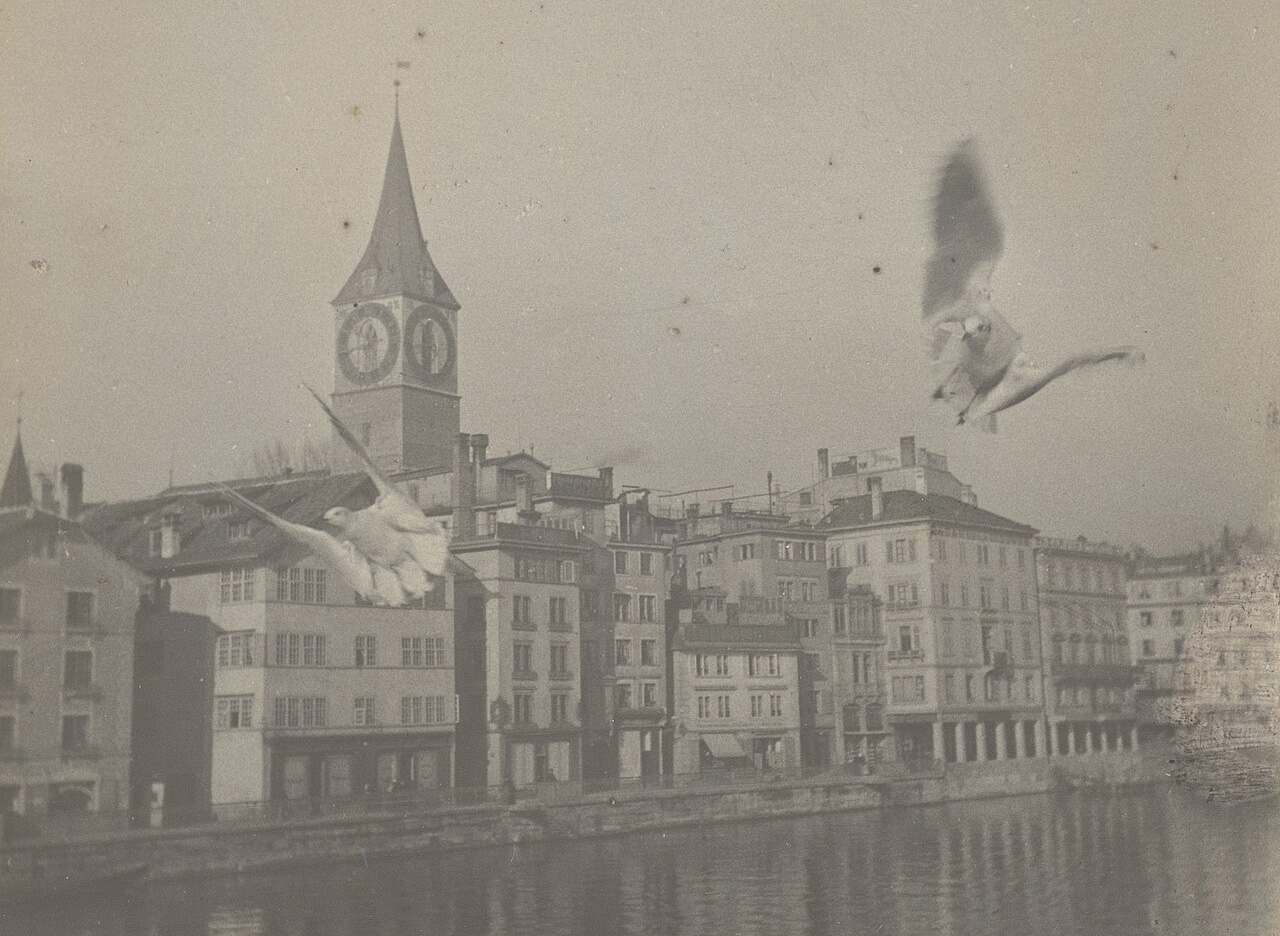
Photographs by Robert Breitinger
Robert Breitinger-Wyder was a heating engineer and stove manufacturer in Zurich. At the age of 45, he became an amateur photographer, like many members of the middle class in Zurich at the time. Between 1886 and 1910, he produced works in a detached, matter-of-fact style. He primarily photographed views and individual buildings in the city of Zurich, but also views from other parts of Switzerland. Additional motifs include themes such as arts and crafts, frozen lakes, trees and flowers, fountains and monuments, ships, heating stoves and more.
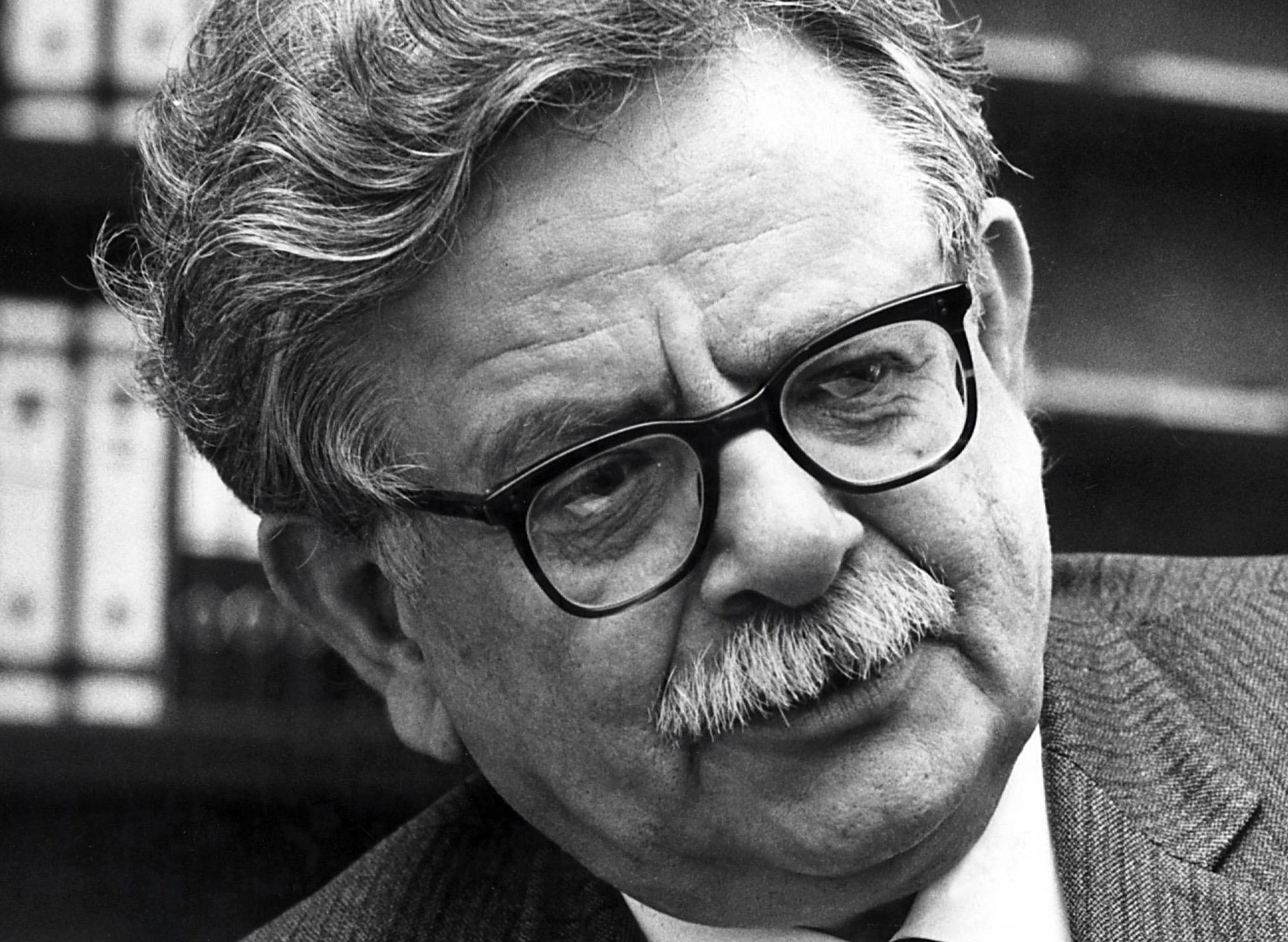
Library of Elias Canetti
List of all books from the private library of Nobel Prize winner Elias Canetti (1905–1994). The data records consist of a table with the titles and bibliographical data of more than 18,000 books. Elias Canetti bequeathed this collection to the Zentralbibliothek Zürich in his will. It was catalogued from 2001 to 2003.
Image: Unknown author – Dutch National Archives, The Hague, Fotocollectie Algemeen Nederlands Persbureau (ANEFO), 1945–1989, CC BY-SA 3.0 nl
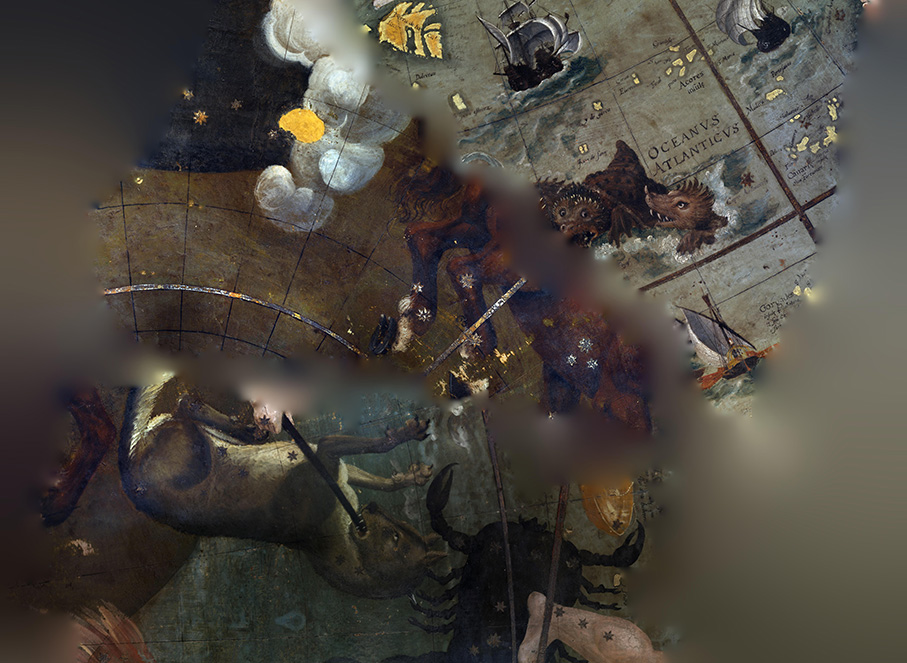
3D data on the sphere of the St. Gallen globe
The ‘St. Gallen globe – online’ is a joint project of the National Museum, the Abbey Library of St. Gallen, Zentralbibliothek Zürich and the Zurich University of the Arts (ZHdK). The underlying images by Martin Stollenwerk were three-dimensionally modelled by the ETH Institute of Photogrammetry and Remote Sensing. You can find the project website here.
Image: Martin Stollenwerk and Institute of Geodesy and Photogrammetry, ETH Zurich; CC BY 4.0
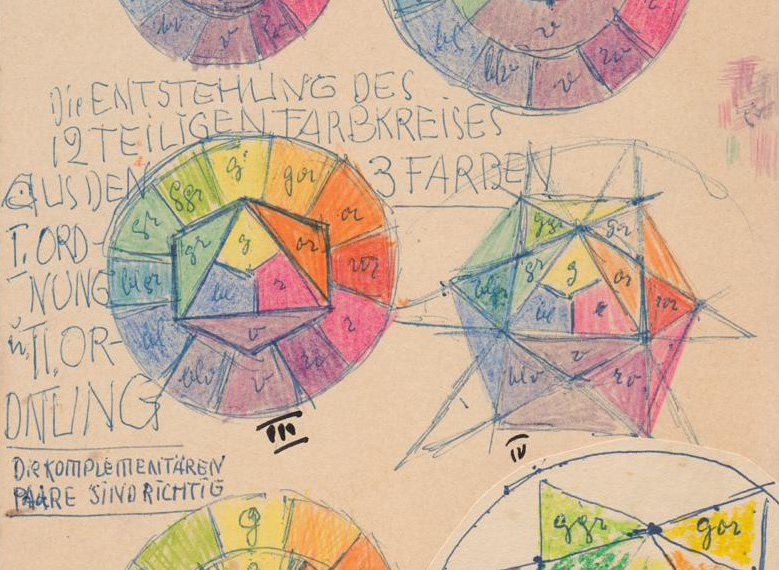
Johannes Itten Linked Archive (JILA)
These data records contain the open semantic data that forms the basis of the ‘Johannes Itten Linked Archive (JILA)’ linked open-data application. The knowledge platform was conceived as a gateway into the estate of the Bauhaus master and Swiss art theorist Johannes Itten (1888–1967) and is based on a personal network generated with reference to over 5,200 pages of documents. You can find the LOD application here.
Image: Paula Stockmar (as mentioned at https://bauhaus.daserste.de/credits); derivative work: MagentaGreen, CC BY-SA 3.0
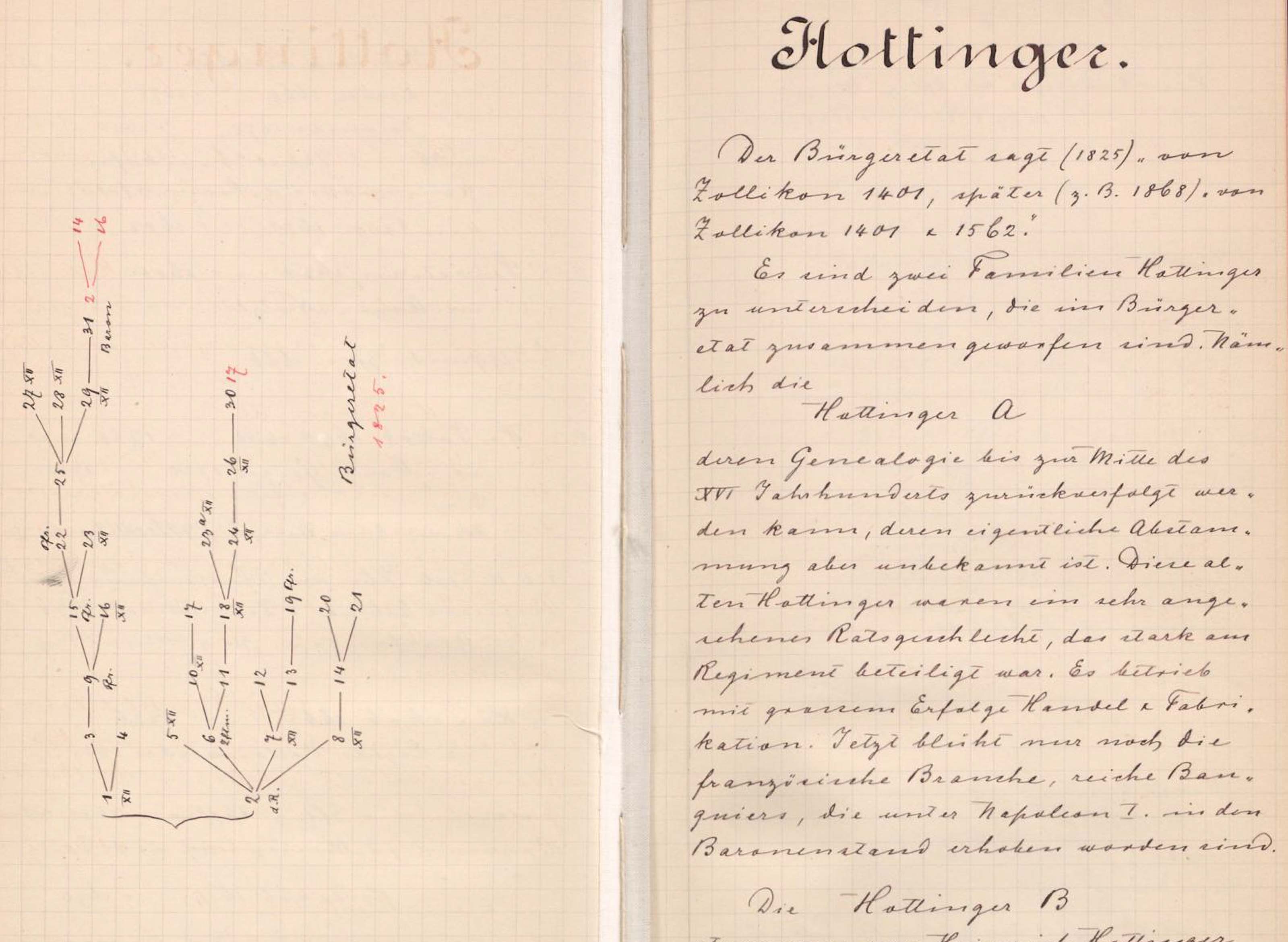
Promptuarium genealogicum by Carl Keller-Escher
These data records contain image links, full texts and metadata of the seven volumes of the ‘Promptuarium genealogicum’ by Carl Keller-Escher (1851–1916). This approximately 2,800-page genealogical work contains information about the members of 258 historical families in Zurich, some of which date back to the 16th century.
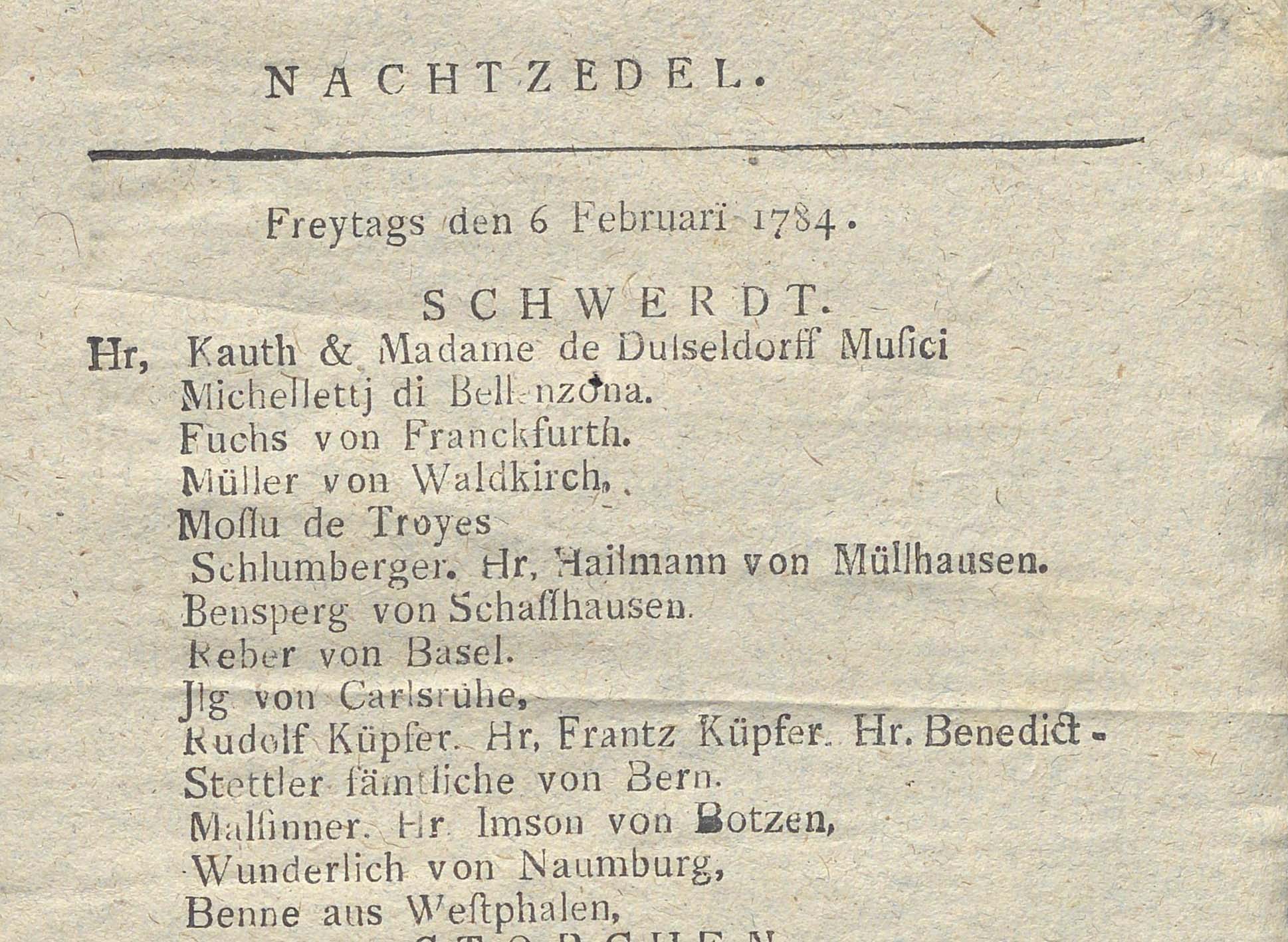
Zürcher Nachtzedel 1780-1792: digital copies
These data records contain data from the years 1780 to 1784 of the ‘Zürcher Nachtzedel’ (1780 to 1818), which are also published on the platform e-manuscripta.ch (as at August 2024). The data is part of the historical registers of local overnight guests in the holdings of the Zentralbibliothek Zürich, which were digitised between 2023 and 2024. They are also representative of later volumes of the ‘Nachtzedel’.
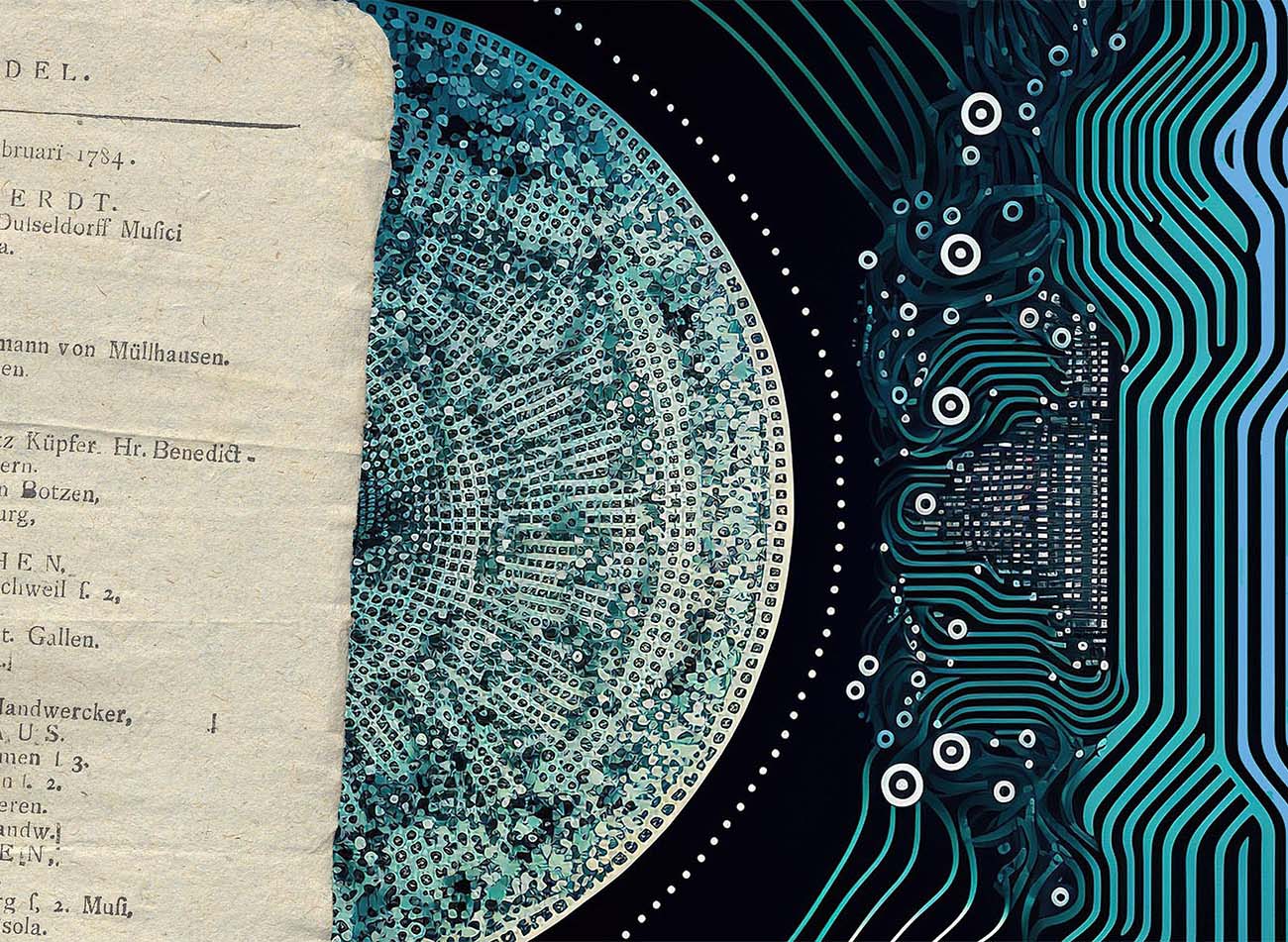
Zürcher Nachtzedel 1780-1792: extracted data
These data records contain structured, machine-readable extractions of the ‘Zürcher Nachtzedel’ for the years 1780–1792. Based on around 3,200 scanned guest lists from 18th-century Zurich inns, it provides entries in a structured format. It includes information on guests (names, origin, professions), quality-assured transcriptions and georeferenced location coordinates. The conversion into a validated JSON/CSV corpus was carried out using an LLM-supported workflow and enables quantitative analyses in the digital humanities.
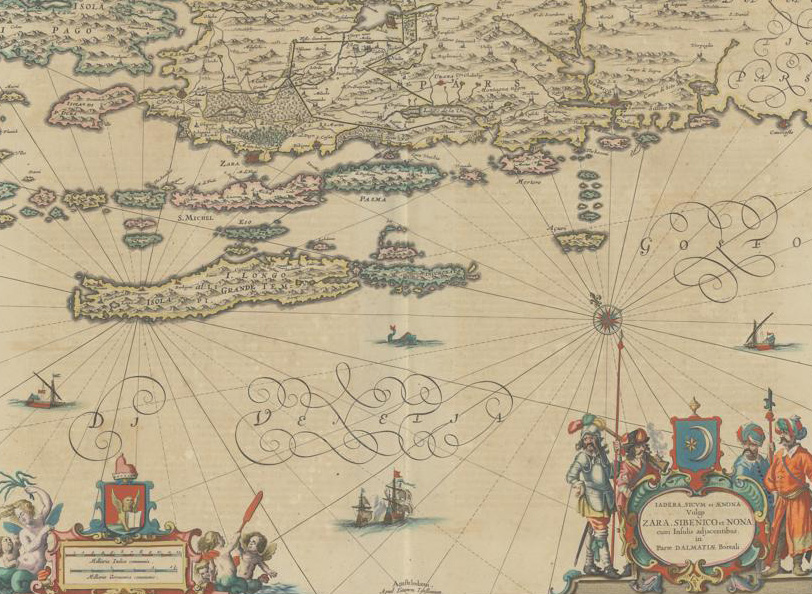
Maps with title cartouches from the ‘Magnificent atlases’ collection
A selection of around 1,930 maps from richly illustrated old atlases of the Zentralbibliothek Zürich has been compiled from the ‘Magnificent atlases: from the beginnings to the golden age’ collection on the online platform e-rara. The maps all date from the heyday of the production of impressive atlases in the 17th century.
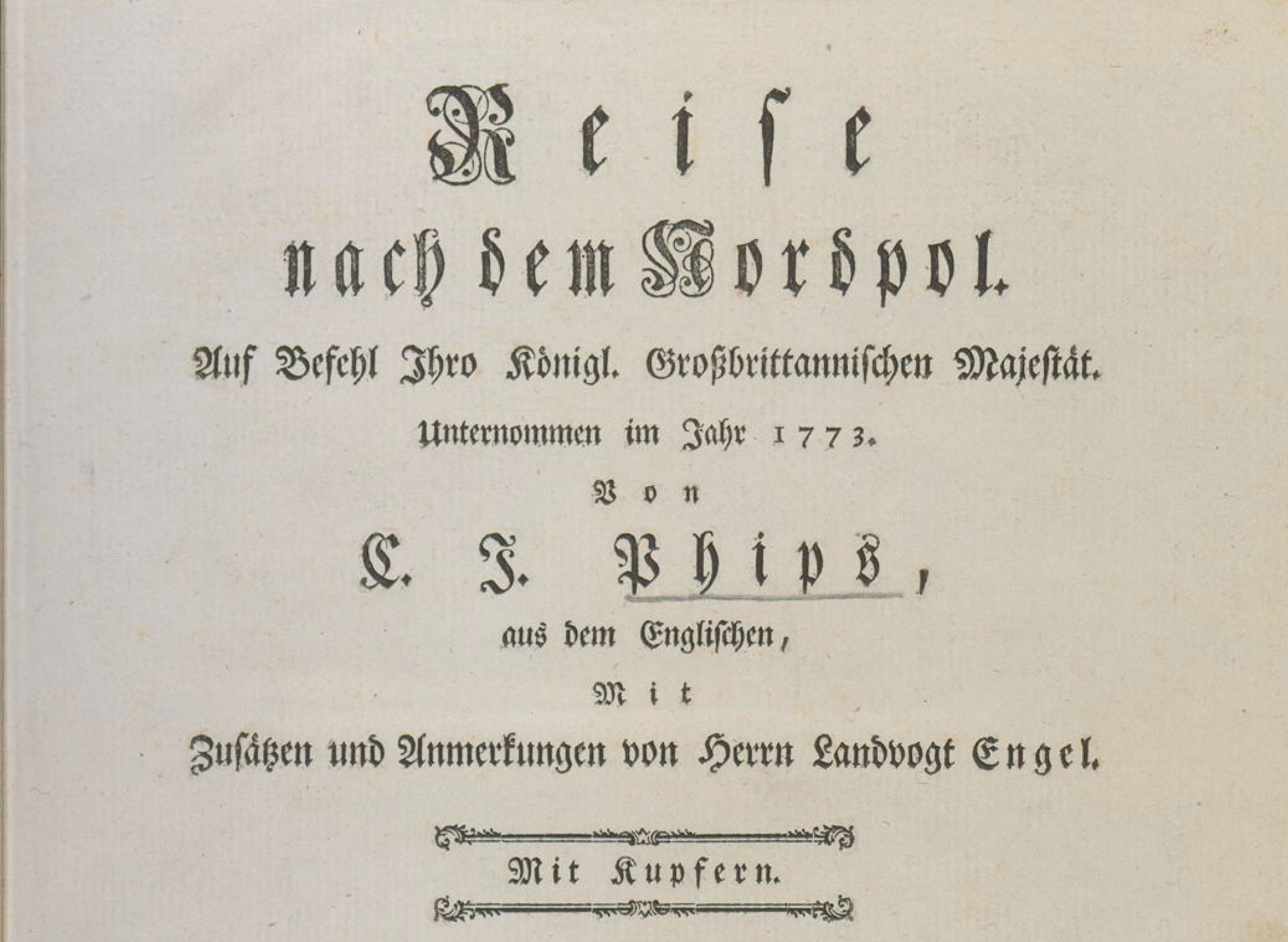
Printed travelogues from the 16th to the 19th centuries
Printed travelogues from the 16th to the 19th centuries shaped ideas about foreign countries and continents. They informed, distorted and dramatised, thereby satisfying readers’ curiosity. They could arouse admiration and wonder as well as feelings of superiority. Some of the travelogues digitised on the e-rara platform are available as full texts and can be searched for keywords.
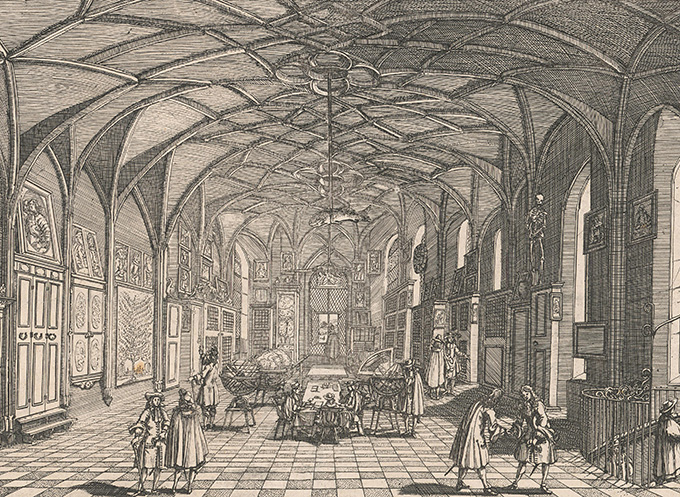
Steinfels collection
The data records contain image scans of the complete Steinfels collection, which is kept in the Department of Prints and Drawings and Photo Archive at the Zentralbibliothek Zürich. It contains 2,275 landscape images, of which 562 are drawings and the remainder prints. The original pictures date from the 17th and 18th centuries.